
Homeowners and building managers often face the choice between fixing an existing window and replacing it entirely. This decision involves evaluating the nature and extent of visible and hidden problems — for example, whether glass units are fogged, frames are rotted or warped, seals are failing, hardware is broken, or thermal performance has declined. The central concept is to weigh the expected remaining service life and performance improvements of a repair against the costs, disruption, and longer-term benefits of installing a new unit. Assessment typically combines visual inspection, simple functional tests, and consideration of energy or comfort impacts.
Determining whether repair is sufficient often starts with identifying specific failure modes and estimating how they affect safety, weather resistance, and energy efficiency. Small localized issues such as cracked glazing compound, broken sash cords, or failing weatherstripping can often be addressed with targeted repairs. By contrast, systemic problems — persistent air or water infiltration, multiple fogged insulating glass units, or structural frame decay — may reduce overall durability and make replacement a practical option. The evaluation may also consider how long the current window system is expected to remain serviceable after repair.
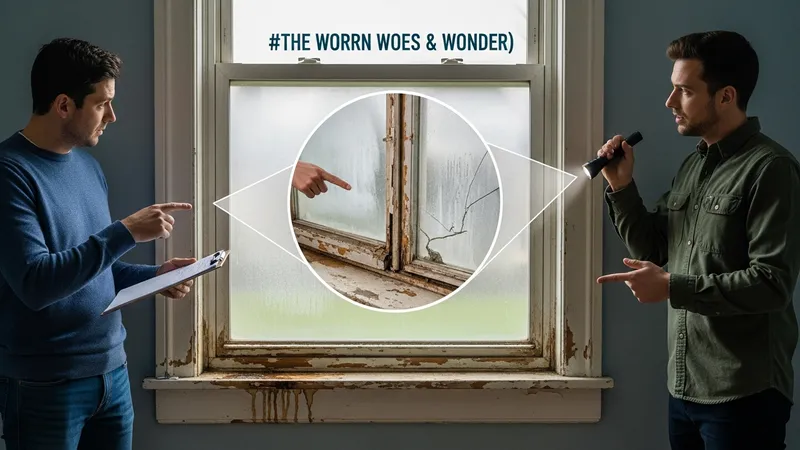
Sealed insulating glass unit repair can be a middle-ground approach where the structural frame and sash remain intact but the thermal seal has failed. Options may include professional defogging services or replacement of just the insulated glass unit (IGU) while preserving the existing frame. The effectiveness of these approaches depends on frame condition, availability of matching glass units, and the expected improvement in thermal performance. Costs and potential longevity may vary with window type and accessibility; evaluators often estimate remaining life and weigh it against the cost of full replacement.
Sash and frame repairs typically address localized decay, mechanical failures, or misalignment that affect operation and security. Repair methods can include selective wood replacement, epoxy consolidation, new sash cords or balances, and hardware replacement. These interventions may restore operability and outward appearance when deterioration is not widespread. The decision to pursue this route often factors in the historical or architectural value of the original windows and whether repairing will deliver acceptable weather resistance and insulation compared with modern alternatives.
Weatherstripping and glazing maintenance are common first steps for improving comfort and reducing drafts. Replacing worn weatherstripping, tightening glazing beads, and renewing sealants can often reduce air infiltration and minor water entry. These fixes tend to be lower in cost and less disruptive than full replacement and may be appropriate for units that otherwise perform adequately. However, when multiple components require repetitive maintenance, cumulative repair costs and diminishing returns may suggest that replacement could be more economical over a medium-term horizon.
When failure is widespread — for example, multiple IGUs with moisture intrusion, pervasive frame rot, or chronic leakage — replacement consideration may increase. Full replacement can provide predictable improvements in thermal performance, ease of operation, and long-term durability, though it also incurs higher immediate cost and installation impact. Decision-makers commonly compare projected repair costs over time with replacement estimates and consider factors such as warranty terms, expected energy savings, and desired maintenance burden. This comparative view helps frame whether repair or replacement better aligns with lifecycle goals.
In summary, the concept involves matching the type and extent of window problems to repair methods and anticipated outcomes while acknowledging uncertainty in future performance. Targeted repairs may restore specific functions and extend service life at lower short-term cost, whereas replacement often offers broader performance gains and reduced maintenance needs but with greater initial expense. The next sections examine practical components and considerations in more detail.
A careful assessment begins by cataloguing observable indicators and performing simple functional checks. Inspectors typically note fogging between panes, difficulty opening or closing, visible rot or corrosion, condensation patterns, and water staining around frames. Performance testing may include a draft check, visual inspection for sealant failure, and operability tests of locks and balances. Where available, measuring indoor temperature differentials or using infrared imaging can indicate heat loss patterns. These assessments help prioritize repairs that restore function versus identifying systemic defects that make replacement a more comprehensive solution.
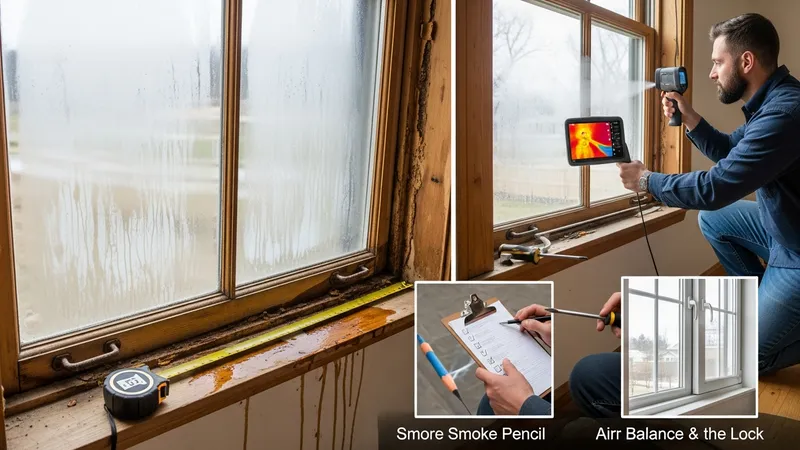
Visible signs like localized wood rot or single-pane seal failure can sometimes be remedied without full replacement, particularly when the framing integrity remains. Conversely, signs of structural compromise — such as widespread frame distortion, repeated leakage despite prior repairs, or multiple failed insulating glass units — often point toward replacement consideration. Estimators may also factor in the window’s age and historical performance; older windows that have required frequent maintenance may be less cost-effective to continue repairing over time compared with installing a new system.
Assessments may also include evaluating impacts on occupant comfort and utility use. Reduced thermal performance can lead to uneven indoor temperatures and potentially higher heating or cooling use; measuring these effects may show whether repairs will meaningfully improve efficiency. Decision-makers sometimes seek estimates of expected energy savings after repair or replacement, expressed as typical ranges, to inform choices. However, projected savings can vary by climate, window orientation, and building envelope characteristics, so they are best viewed as indicative rather than certain.
Practical considerations during assessment often include accessibility, interior finishes adjacent to windows, and whether matching existing aesthetics is important. Repair work may be less disruptive to surrounding trim and finishes, while replacement can require trim removal and refinish work. The presence of historical or custom windows may favor targeted repairs to retain character. Evaluating these contextual elements alongside technical indicators helps produce a balanced recommendation that reflects both performance and preservation priorities.
Repair methods vary by failure mode and material type. For insulating glass unit seal failure, options range from application of specialized defogging techniques to replacing the IGU while retaining the original frame. For wood frames with localized decay, techniques may include cut-out of deteriorated sections and epoxy consolidation, combined with new paint and sealants. Metal frames may require corrosion removal and inhibitor application or selective component replacement. Choosing methods typically involves assessing compatibility with existing materials and anticipated longevity after repair.
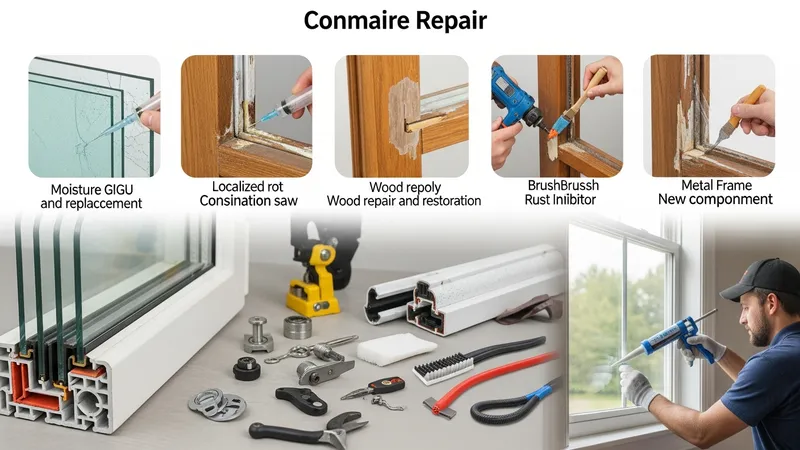
Hardware and operability repairs often include replacing sash balances, pulleys, locks, and hinges that have worn with use. Restoring smooth operation can reduce stress on frames and seals. Weatherstripping replacement and reglazing are commonly applied to reduce drafts and water infiltration; materials such as silicone sealants, compression strips, or brush seals are selected based on sash type and expected exposure. The effectiveness of these measures often depends on correct installation and the absence of underlying structural issues that would otherwise undermine repairs.
For insulated units, replacing only the IGU can be a cost-effective approach when frames are in good condition, but availability of matching glass and spacer materials may affect feasibility. Professionals may also recommend systemic upgrades such as low-emissivity coatings or improved spacers when replacing IGUs to enhance thermal performance. These incremental material upgrades can yield better long-term thermal behavior but should be weighed against the condition of the remaining frame and sash to ensure compatibility and expected service life.
Documentation and inspection after repair are important for tracking outcomes. Photographs, written descriptions of materials used, and notes on workmanship can inform future maintenance decisions and reveal whether repairs met intended objectives. Where warranties are available for materials or labor, understanding their scope and duration helps set expectations. Maintaining a record of repairs and observed performance over time supports more informed decisions about whether subsequent repairs will be sufficient or if replacement should be pursued later.
Energy performance plays a central role in the repair-versus-replacement evaluation. Repairing seals and adding weatherstripping can often reduce air infiltration and improve comfort with relatively low expense. However, when overall thermal transmittance is poor due to single-pane glass or aged frames, replacement with modern sealed units may deliver larger performance improvements. Estimating potential energy savings typically uses conservative ranges and may consider payback timelines, but such projections depend on climate, window orientation, and HVAC system characteristics.
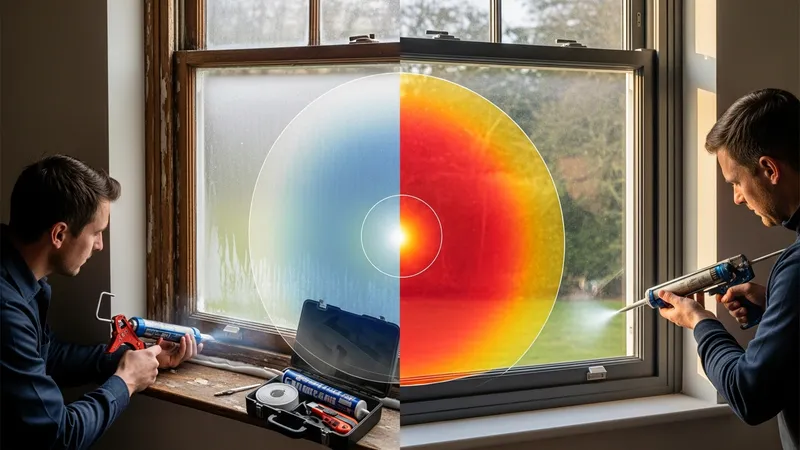
Cost comparison often involves immediate repair expenses versus longer-term replacement investment. Repair costs can vary widely depending on the scope, from modest weatherstripping work to more substantial sash or IGU replacement. Replacement costs are generally higher up-front but may reduce maintenance and improve thermal behavior for a longer interval. Decision-makers frequently model repair recurrence and maintenance burden to estimate whether cumulative repair expenditures could approach or exceed replacement costs over a defined planning horizon.
Lifecycle considerations also include expected service life after an intervention. Some repairs may restore function for several years, while full replacement may extend service life by decades depending on product quality and installation. Factors such as exposure to weather, building orientation, and maintenance practices influence how long repairs will hold. Evaluators typically consider these variables conservatively, acknowledging variability in outcomes rather than asserting precise timelines.
Non-energy factors such as acoustic performance, security, and interior comfort are also relevant. Upgrading to higher-performance glazing or replacing frames may reduce external noise and improve security features. These additional benefits can influence the decision when they align with occupants’ priorities. A comprehensive cost-benefit view that includes energy, maintenance, comfort, and expected service life helps clarify whether repair or replacement better meets long-term needs.
Planning for repair or replacement includes assessing timing, interior disruption, and coordination with other renovation activities. Repairs may often be scheduled with minimal disruption, while full replacements can require removal of trim, repainting, or temporary protection of interiors. Scheduling choices typically consider weather, occupancy, and other home improvement projects. For multi-window projects, phasing work over time can spread cost and disruption, while single-window interventions may be completed quickly. Careful planning helps align the chosen approach with practical constraints.
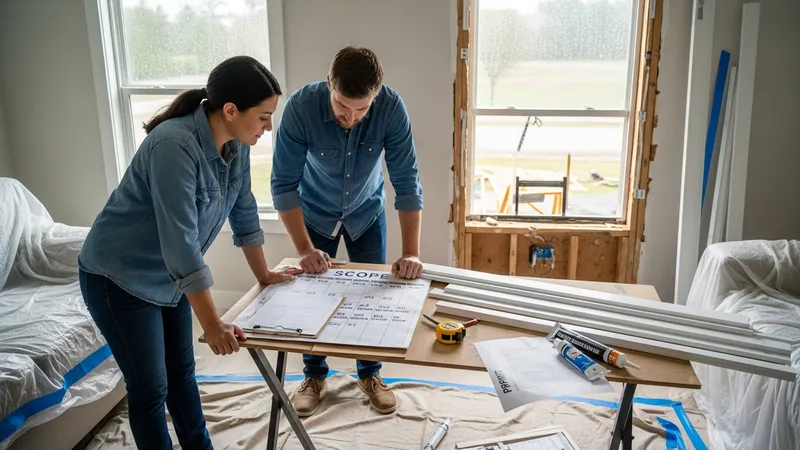
When considering contractors or specialist services, gathering descriptive bids and examining prior examples of similar work can inform expectations about scope and timelines. Clear written scopes that specify materials, surface preparations, sealing methods, and cleanup practices reduce ambiguity. While not prescriptive, it may be helpful to request time estimates and to confirm whether permits or inspections are required for structural adjustments in specific jurisdictions. These logistical details can affect total project duration and cost.
Managing expected post-work maintenance is also useful when deciding between repair and replacement. Repaired elements may require periodic reapplication of sealants or repainting to maintain performance, whereas newly installed systems may have different maintenance needs. Establishing a maintenance schedule and documenting workmanship can extend the life of either repairs or replacements. Understanding these commitments helps set realistic expectations about ongoing time and resource needs.
Finally, evaluating long-term priorities such as desired maintenance burden, aesthetic goals, and planned building lifespan supports coherent decision-making. Window interventions often fit within broader building envelope strategies, and timing them to coincide with other upgrades (insulation, exterior finishes) can be efficient. Thoughtful scheduling and practical preparation typically reduce unexpected delays and help ensure that the selected approach — repair or replacement — aligns with both technical and occupant preferences.