
The full-service spa experience is a coordinated set of personal care services and facility features that address relaxation, skin maintenance, and body treatments in a single setting. It typically blends hands-on services such as massage and facial treatments with facility-based features like steam rooms, hydrotherapy, and relaxation lounges. The emphasis is on an integrated visit where different modalities are sequenced, staff roles are defined (therapists, estheticians, attendants), and the environment is managed to support comfort and privacy. This concept focuses on procedural variety, scheduling flow, and client assessment rather than product sales or clinical claims.
Within a full-service spa environment, services may be offered singly or combined into treatment plans that account for timing, client preferences, and procedural compatibility. Intake consultations and brief health screening questions are often used to determine suitable modalities and to identify considerations such as skin sensitivity or recent injuries. Facilities commonly maintain separate rooms for massage, facial treatments, and body procedures; support areas for changing and relaxation; and systems for sanitation, ventilation, and laundry. Staffing and protocol design aim to ensure consistent service sequencing and hygienic handling of linens and instruments.
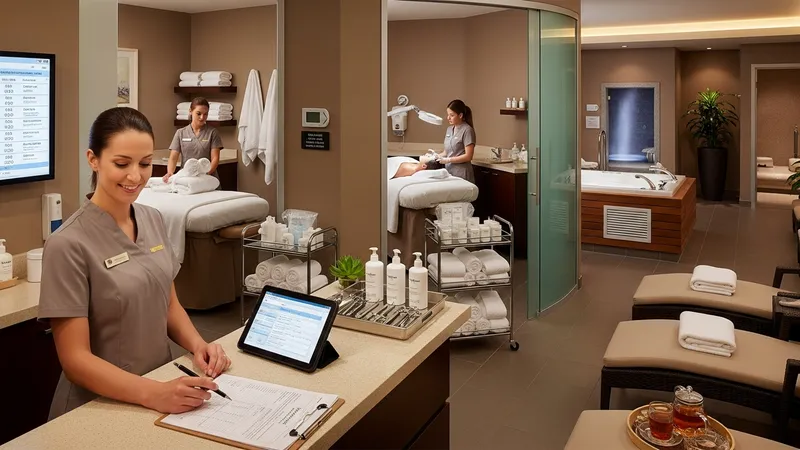
Massage modalities within a full-service spa may be selected to complement skin care and body treatments. For example, a lighter manual massage may follow a facial to support relaxation without stressing facial tissues, while deeper techniques may be reserved for separate sessions. Session length and sequencing are often planned to allow time for changing, showering, and interim rest. Staff training typically covers technique fundamentals, client communication, and basic contraindication recognition so that therapists may adapt pressure and method to client comfort and any noted sensitivities.
Skin care procedures in this setting usually begin with an intake and skin assessment to identify texture, sensitivity, and client goals. Non-prescriptive facial protocols often combine cleansing, mechanical or chemical exfoliation at conservative levels, serums, masks, and massage of the face and neck. Devices such as LED panels, microdermabrasion tools, or low-level suction systems may be offered within scope-of-practice guidelines; spas commonly recommend patch testing for more active procedures and advise on gentle post-treatment care to support recovery and comfort.
Body treatments and hydrotherapy options provide tactile and thermal variety and may complement massage and facial sequences. Exfoliating scrubs and wraps can be scheduled before moisturizing or massage steps to allow product removal and enhance absorption. Wet-area features such as steam rooms, saunas, or contrast showers are typically managed for temperature control, sanitation, and occupant safety; clear signage and staff oversight often support appropriate use. Facility design may separate wet and dry zones to maintain hygiene and operational flow.
Operationally, appointment structure in full-service spas commonly includes arrival buffer time for check-in, an intake discussion, the treatment itself, and a short recovery or relaxation interval. Pricing and duration options can vary widely across operators and regions, and publicly stated ranges often reflect that variability rather than fixed standards. Record-keeping and client preference logs may be used to maintain continuity between visits. Environmental controls — lighting, acoustics, temperature, and scent — are often calibrated to support comfort while allowing personalization where feasible.
In summary, a full-service spa experience describes a coordinated mix of massage, skin care, and body treatments delivered within facility settings that manage sequencing, hygiene, and client comfort. The model emphasizes assessment, procedural compatibility, and facility features that together create an integrated visit. The next sections examine practical components and considerations in more detail.
Massage offerings in a full-service spa often include a spectrum of modalities suited to different goals and tolerances. Modalities commonly encountered include Swedish-style techniques focused on relaxation, deeper myofascial or deep-tissue approaches that address localized tension, and modality blends such as hot stone or aromatherapy-enhanced sessions. Session lengths typically range from 30 to 90 minutes, with start-to-finish visit time often longer to accommodate intake and recovery. Training expectations for therapists vary by jurisdiction, but spas commonly emphasize hands-on technique, client communication, and recognition of contraindications to ensure both client comfort and safety during service delivery.
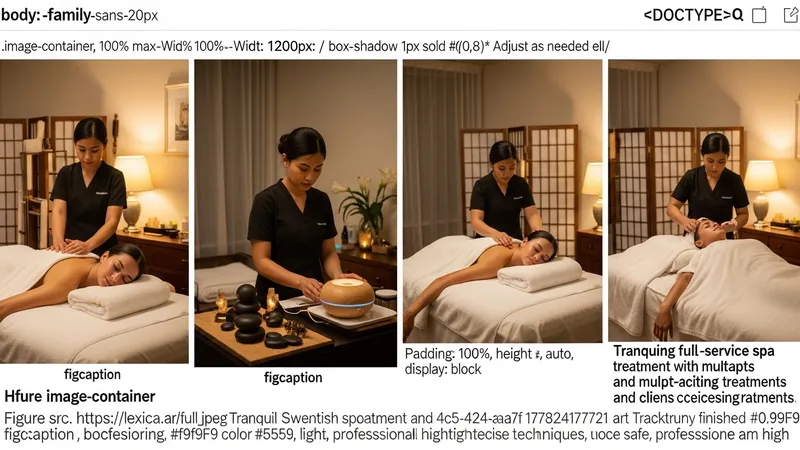
When integrating massage with other spa services, sequencing is an important consideration. Lighter massage may follow facial procedures to avoid disturbing sensitive skin, whereas deeper manual work is often scheduled separately from intensive skin treatments. Massage therapists and estheticians often use brief handoff notes or electronic records to maintain continuity across sessions. Temperature control, pressure adjustments, and draping protocols are practical details that spas may standardize so clients experience consistent treatment flow and privacy regardless of the specific modality chosen.
Client intake and screening for contraindications are common components of massage protocols and typically include questions about recent surgeries, acute injuries, pregnancy status, medication that affects circulation, and skin issues. Spas often use this information to modify technique or to suggest alternative modalities within the scope of practice. While massage can influence subjective relaxation and comfort, descriptions of outcomes are framed conservatively; practitioners typically advise clients on expected sensations during and after treatment and on when it may be appropriate to consult qualified medical professionals for health conditions.
Staff development and quality assurance in the massage area may include ongoing technique refreshers, peer observation, and client feedback systems treated as informational rather than promotional metrics. Facilities may maintain cleaning and laundering protocols for linens and bolster ventilation to support hygiene. For operational planning, many spas build appointment templates that allow adequate turnover time between sessions, aiming to reduce overlap and maintain calm in shared spaces while accommodating varied client preferences for session length and modality.
Skin care services in a full-service spa commonly range from basic maintenance facials to multi-step cosmetic facial procedures using non-prescription topical agents and devices. Typical elements include skin cleansing, mechanical or gentle chemical exfoliation, topical serums and masks, and hydration steps. Devices such as LED therapy panels, low-level suction for pore cleansing, and gentle mechanical exfoliation tools may be offered; their use is often accompanied by manufacturer guidance and staff training. Spas typically emphasize a conservative approach to active procedures and often incorporate patch testing to gauge individual skin responses before broader application.
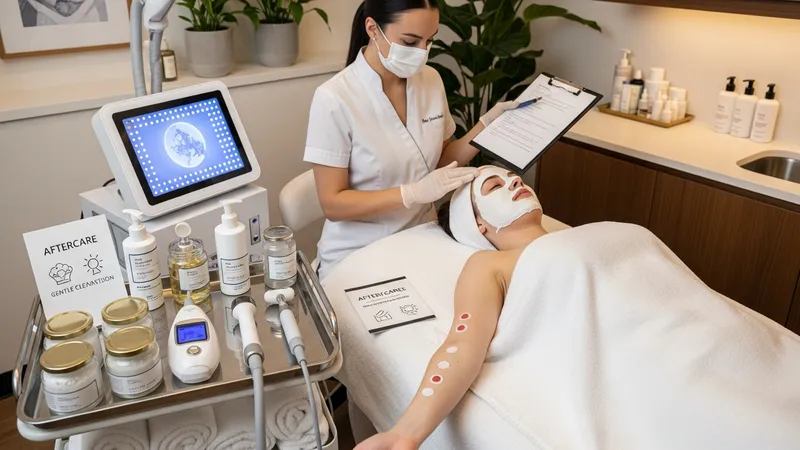
Assessment and customization are key aspects of delivering skin care procedures. An initial consultation may cover skin type, sensitivity, product history, and any recent dermatologic treatments to avoid overlapping procedures that could increase irritation. Treatment plans can be structured as single sessions for maintenance or as a series of gentle interventions spaced to allow skin recovery. Spas commonly provide aftercare information to clients, describing gentle cleansing, sun protection, and temporary avoidance of abrasive products rather than making outcome promises.
Equipment and product selection within spa skin care areas often balance efficacy with risk management. Spas may choose devices and formulations intended for non-prescriptive, cosmetic use and operate within scope-of-practice and local regulations. Staff certifications or continuing education in skin anatomy and device operation are typical considerations to support safe use. Documentation of product ingredients and client reactions can inform future service choices and help staff tailor procedures to individual tolerances.
Operational considerations for skin care rooms include sanitation of instruments, single-use or properly laundered linens, and controlled storage for products and disposables. Many spas schedule skin procedures so that ventilation, humidity, and room reset time are sufficient for cleaning and client comfort. Client records that note skin responses and product tolerances may be used to guide subsequent visits, while communication about realistic expectations and post-procedure care helps align client understanding with the services provided.
Body treatments offered in full-service spas typically include exfoliating scrubs, body masks and wraps, and thermal therapies designed for surface-level skin conditioning and relaxation. Scrubs often use salt, sugar, or fine abrasives combined with oils to remove dead skin cells, followed by moisturizing steps. Wraps may use mineral-rich muds or botanical formulations and are usually applied with a period of rest before rinsing. These procedures are frequently paired with showers, steam, or thermal rooms to support product removal and client comfort. Protocols generally emphasise conservative product strength and staged timing to reduce irritation risk.
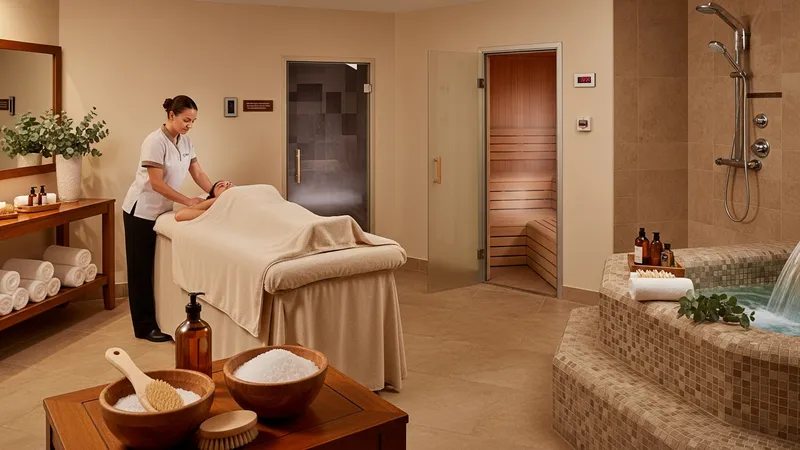
Hydrotherapy and wet-area facilities such as steam rooms, saunas, cold plunge pools, or contrast showers are common adjuncts that may be integrated into a spa visit. These areas are typically managed with clear operational controls for temperature, water quality, and cleaning frequency. Staff supervision, posted usage guidelines, and accessible emergency procedures are often part of facility management. Users may be advised to moderate session durations and to consult with medical professionals for specific health concerns prior to using thermal or immersion features, framed as precautionary rather than prescriptive guidance.
Design and hygiene considerations for body-treatment and wellness spaces often include separation of wet and dry zones, non-slip flooring, and adequate drainage. Linen and disposable product handling protocols aim to prevent cross-contamination; many spas use single-use applicators or sanitized tools for scrubs and wraps. Storage for products and a consistent process for room turnover help maintain flow. Staffing for wet areas may include attendants trained in basic safety checks and client assistance while focusing on client privacy and dignity during changing and treatment intervals.
Service sequencing is often used to enhance the client experience while managing facility throughput. For example, a scrub and wrap may precede a massage or follow a short steam session; scheduling templates may incorporate transition times for changing, showering, and recovery. Pricing and duration models can vary by region and operator; publicly available comparisons often show wide variability, so spas typically present options and expected durations without guaranteeing uniform outcomes. Clear explanations of what a treatment involves can support informed client choices within the facility’s operational framework.
Appointment structure in a full-service spa commonly follows a pattern of pre-arrival intake, arrival check-in, treatment time, and post-treatment recovery or transition. Intake forms or brief interviews are often used to record relevant client information such as allergies, skin sensitivities, recent procedures, and personal comfort preferences. Staggered scheduling is frequently applied to minimize overlap in shared relaxation areas. Facilities may use time buffers between appointments to allow for cleaning, resetting rooms, and preparing linens, which helps maintain hygienic standards and consistent client flow without implying guaranteed wait times.
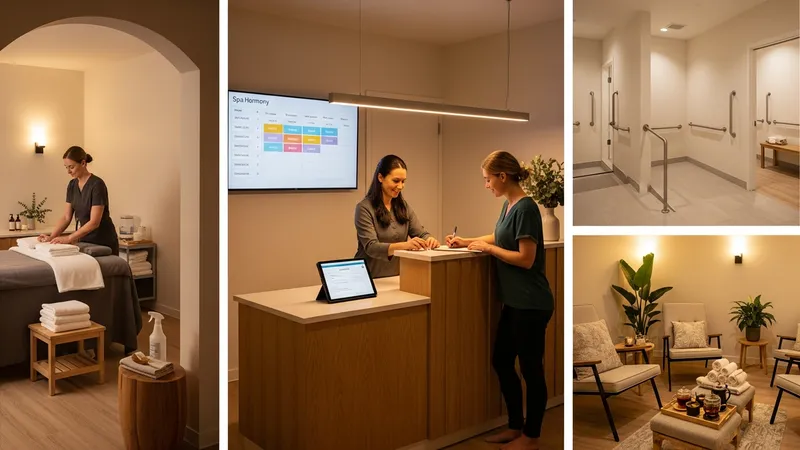
Environmental factors play a central role in shaping the perceived quality of a spa visit. Lighting, ambient sound levels, scent management, room temperature, and the quality of linens and massage tables are all variables that spas manage to support comfort. Many facilities allow for minor client preferences such as pressure level or music volume while preserving broader standards for privacy and safety. Accessibility considerations—such as step-free access, accessible changing areas, and staff assistance—are increasingly addressed to provide inclusive services for a wider range of clients.
Privacy and informed consent are practical considerations in personal care environments. Draping protocols, private consultation areas, and clear explanation of procedure steps are commonly used to maintain client dignity and understanding. Record-keeping practices for intake and treatment notes assist continuity across visits while adhering to local data protection norms. Spas often adopt cleaning regimens, linen handling protocols, and equipment sanitation schedules as part of their operational framework to reduce cross-contamination risks and maintain a consistent environment for consecutive appointments.
Operational policies that govern appointment flow—such as arrival timing guidelines, recommended attire, and typical session durations—are usually framed as informational to help clients plan visits. Cancellation or rescheduling practices may be stated clearly in booking information without using urgency language. Ultimately, the structure and environment of a full-service spa aim to balance procedural efficiency, client comfort, and safety considerations; subsequent choices about specific services are left to client preference and professional assessment rather than prescriptive recommendations.